





How to Control Your Anger: A Guide to Managing Emotions

Learning How to Control Your Anger is essential for emotional wellbeing, healthier communication, and stronger relationships. Anger is a natural, universal emotion—everyone experiences it. It helps alert us when something feels unfair, disrespectful, or threatening. In moderation, anger can protect us, motivate us to set boundaries, and encourage positive change.
However, when anger becomes overwhelming or uncontrolled, it can damage relationships, reduce work performance, strain physical health, and create unsafe environments. Chronic anger is associated with increased stress, headaches, high blood pressure, and an increased risk of heart problems. Emotionally, it can leave you feeling isolated, guilty, or ashamed.
This comprehensive guide explores why anger happens, how it affects your body and mind, and what practical tools you can use to calm yourself, communicate effectively, and build long-term emotional resilience. Whether you struggle with sudden outbursts, silent resentment, or internal frustration, you’ll find strategies here that are supported by psychological research and used in anger management programmes around the world.
How to Control Your Anger
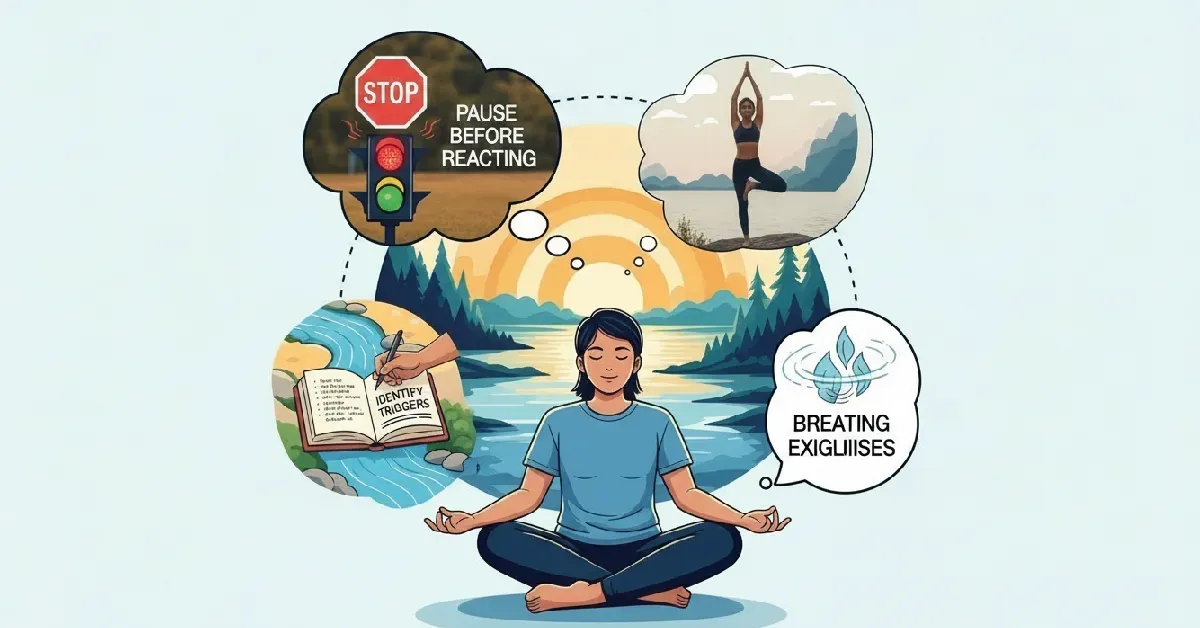
The fastest and most effective way to control your anger is to pause before reacting, take slow breaths to calm your nervous system, and give yourself space to think clearly. Emotional surges happen quickly, so interrupting them with physical grounding is essential.
Some of the most reliable anger control techniques include stepping away from the situation, doing a breathing exercise, focusing on one physical sensation (like your feet on the floor), and reminding yourself that the anger will pass. Ways to calm down when angry also include splashing water on your face, getting fresh air, and talking to someone you trust.
If you need immediate anger management strategies, try:
- Counting to 10 slowly
- Naming what you’re feeling (e.g., “I’m frustrated and overwhelmed”)
- Relaxing your jaw and shoulders
- Slowing your breathing
These short-term interventions help you regain composure long enough to choose a more constructive response instead of reacting impulsively.

Recognising the Early Signs of Anger
Most people don’t go from calm to enraged instantly—it happens gradually. Your body provides clear signs of anger that warn you when emotions are escalating. Learning to spot these cues early gives you a chance to intervene before your anger becomes overwhelming.
Common Physical Symptoms of Anger
- Rapid heartbeat or pounding pulse
- Tight chest or throat
- Quick, shallow, or uneven breathing
- Hot flushes or sweating
- Clenched fists or jaw
- Tension in the shoulders, neck, or stomach
- Shaking hands or legs
- Restlessness or pacing
Common Emotional and Mental Warning Signs
- Irritability or impatience
- Feeling attacked or criticised
- Sharp or sarcastic responses
- Trouble focusing
- Overreacting to small inconveniences
- Feeling like you might yell or cry
- Thoughts such as “This is so unfair!”
These anger warning signs signal that your stress response has activated. The earlier you notice them, the easier it is to use calming techniques before anger controls you rather than the other way around.

Breathing Exercises to Calm Down
Breathing is one of the most powerful tools for controlling anger because it directly affects the nervous system. When you breathe slowly and deeply, your brain receives signals that you are safe, causing your body to relax.
Using breathing exercises for anger helps break the fight-or-flight response that fuels emotional intensity.
1. Exhale-Longer-Than-Inhale Breathing
This method is a favourite among therapists and stress experts because extending the exhale activates the parasympathetic (calming) system.
Try this:
- Inhale for 4 seconds
- Exhale for 6–8 seconds
- Repeat for 6–10 cycles
This is one of the most effective calm breathing techniques for reducing anger quickly.
2. Counting to 10 with Breath Control
Counting slowly forces your mind to slow down.
- Inhale on “one.”
- Exhale on “two.”
- Continue until you reach ten
This is a simple yet powerful relaxation strategy.
3. Box Breathing
Used by military personnel, athletes, and therapists.
- Inhale for 4 seconds
- Hold for 4 seconds
- Exhale for 4 seconds
- Hold for 4 seconds
Three to five cycles can dramatically reduce physical tension.
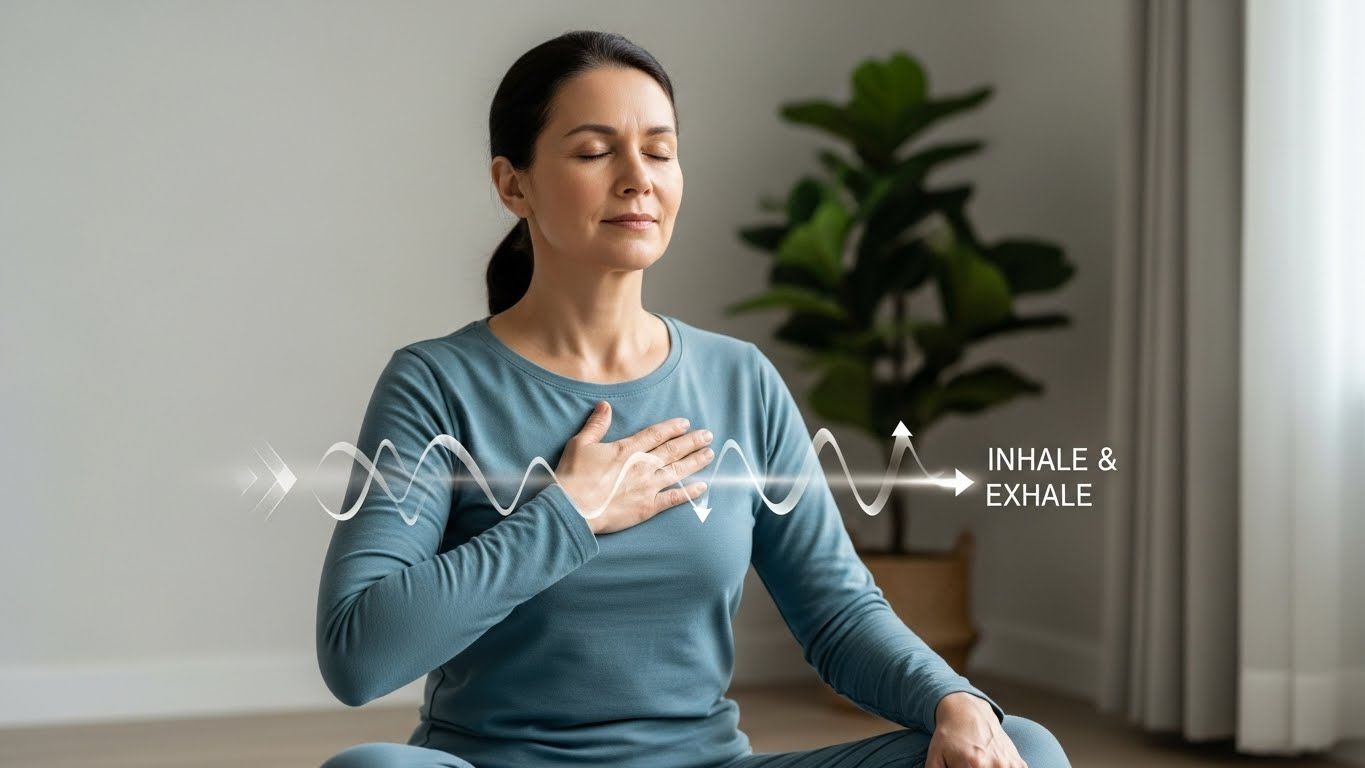
4. Grounding Breath
Place one hand on your chest or stomach and breathe slowly, feeling the movement of your hand. This sensory focus helps anchor you to the present moment.
Practising these exercises daily—not only during moments of anger—makes them far more effective when you truly need them.

Letting Go of Angry Thoughts and Words
Anger often intensifies because of unhelpful thoughts and cognitive distortions—patterns of thinking that exaggerate or misinterpret situations. Words like never, always, should, must, and can’t create black-and-white thinking that increases frustration.
Examples of Cognitive Distortion That Fuel Anger
- Mind-reading: “They did that on purpose.”
- Catastrophizing: “This is a disaster.”
- Overgeneralizing: “This always happens to me.”
- Personalising: “It’s my fault they’re upset.”
- Labelling: “They’re impossible.”
Recognising cognitive distortion helps you separate facts from emotional assumptions.
Strategies for Managing Angry Thoughts
- Pause and Observe
Notice what you’re thinking without judging it.
- Challenge the Thought
Ask yourself:
- Is this completely true?
- What evidence do I have?
- Am I exaggerating the situation?
- Reframe the Thought
Change
“They never listen” to
“I’m feeling unheard right now.”
- Slow Your Inner Dialogue
Use calmer language and avoid trigger words.
- Name the Underlying Emotion
Often anger masks hurt, fear, disappointment, or insecurity.
By practising these techniques, you reduce the intensity of anger and prevent it from controlling your actions.

Talking About Your Feelings
Healthy communication is one of the most effective ways to prevent anger from building up. Many people suppress feelings until they explode; others express anger aggressively, which damages trust and connection.
Understanding how to communicate emotions safely helps you avoid misunderstandings and develop stronger relationships.
Why Talking Helps
- It releases tension before it builds up
- It helps others understand your needs
- It reduces miscommunication
- It gives you time to process your feelings
- It reduces the intensity of anger
Often, anger is a protective layer covering deeper emotions like fear or what anxiety feels like. Recognising the fear and anger connection helps you express yourself more accurately.
Healthy Anger Communication Skills
- Use “I feel…” rather than “You make me…”
- Be specific about what upset you
- Avoid insults or generalisations
- Speak in a calm tone whenever possible
- Ask for what you need clearly
Learning to communicate effectively helps you avoid long-term resentment and emotional disconnection.
Long-Term Tips for Managing Anger
Short-term strategies help calm you in moments of anger, but long-term habits create lasting emotional stability. Consistent self-care strengthens your resilience and helps you handle stress more effectively.
1. Exercise
Physical activity reduces stress hormones and increases endorphins. Regular movement makes it far easier to regulate emotions and reduces overall irritability. Even a daily 10-minute walk can support better long-term anger management.
2. Mindfulness and Meditation
Mindfulness teaches you to notice emotions without reacting impulsively. It strengthens the part of the brain responsible for emotional regulation. Practising mindfulness for anger helps you stay present during stressful moments.
3. Balanced Sleep
Lack of sleep makes anger more likely. Prioritising consistent sleep patterns increases patience, focus, and emotional awareness.
4. Relaxation and Self-Care
Simple activities like listening to music, stretching, warm baths, reading, or spending time outdoors reduce stress levels significantly. Regular relaxation trains your nervous system to stay calmer overall.
5. Creative Outlets
Art, writing, painting, music, dancing, or crafting offer powerful anger coping skills that help you express feelings in healthy ways.
6. Journaling
Writing about your emotions helps you understand patterns and recognise triggers. This allows you to create strategies before anger escalates.

Getting Support from Loved Ones and Listening Services
You don’t have to manage anger on your own. Reaching out to others can make a huge difference. Emotional support can reduce rumination, provide perspective, and offer comfort during difficult times.
Benefits of Support for Anger
- Helps you feel less isolated
- Offers insight into how others experience your behaviour
- Provides emotional validation
- Reduces stress and tension
- Encourages healthier communication habits
Talking openly about anger helps prevent misunderstandings and builds trust in your relationships. Listening services and helplines—such as Breathing Space or similar emotional support lines—provide non-judgmental spaces for you to talk through difficult feelings.
When to Seek Professional Help
While many people manage anger on their own, sometimes professional support is necessary. Anger can be rooted in trauma, stress, mental health challenges, or long-standing patterns that require expert guidance.
Signs You Might Need Professional Support
- Your anger feels uncontrollable
- You experience frequent outbursts or arguments
- You feel guilty or ashamed after reacting
- Your anger is affecting your job or relationships
- You’ve engaged in physical aggression or threats
- You struggle to calm down once you’re angry
Therapists trained in anger therapy, CBT for anger, and counselling can help you understand triggers, develop practical tools, and create long-term change. Always ensure your therapist is licensed or accredited. Practices such as Empowering Roots Therapy can be part of that support when you’re ready to explore professional guidance.

Understanding Anger Management Programmes
Structured anger management programs provide practical, evidence-based tools in a supportive environment. These programmes help individuals explore triggers, learn skills for emotional regulation, and practise better communication.
What Anger Management Programmes Typically Include
- Emotional education
- Identifying triggers and patterns
- Practising grounding techniques
- Learning thought-management skills
- Improving communication
- Role-play or group discussions
- Support from peers and professionals
Most programmes use a CBT anger management framework, which focuses on how thoughts affect feelings and behaviour. Whether in a group or individual setting, anger counselling provides structure and accountability.
Anger and Domestic Violence—Where to Get Help
It’s essential to distinguish between anger and abuse. Anger is an emotion; abuse is a chosen pattern of behaviour used to control, dominate, or intimidate another person. If someone becomes violent or threatening when angry, the issue goes beyond simple anger management.
When Anger Becomes Dangerous
- Physical violence
- Verbal intimidation
- Threats or manipulation
- Controlling behaviour
- Destroying property
- Using fear to silence someone
If you or someone else is at risk, reach out immediately to emergency services or domestic violence helplines. Many organisations specialise in domestic violence support, anger and abuse help, and emergency anger crisis help.
No one should face abuse alone. Help is available, confidential, and accessible.
Frequently Asked Questions
Q1: What are the first signs that you may be losing control of your anger?
Early warning signs include a fast heartbeat, tense muscles, shallow breathing, irritability, and the urge to shout or snap at others.
Q2: How can breathing exercises help reduce anger?
Slow breathing activates the parasympathetic nervous system, helping your body calm down and reducing the intensity of anger.
Q3: Does talking about your feelings make anger easier to manage?
Yes. Talking allows you to process emotions, gain perspective, and prevent tension from building up.
Q4: What long-term lifestyle changes help reduce anger?
Exercise, sleep, mindfulness, relaxation routines, journaling, and creative expression all help regulate emotions.
Q5: When should someone seek professional help for anger issues?
If anger affects your relationships, work, safety, or sense of control, seeking therapy or counselling is recommended.
Conclusion
Anger is a natural emotion, but without healthy management strategies, it can strain relationships, affect your wellbeing, and harm your quality of life. The techniques in this guide—from early recognition and breathing exercises to thought reframing, communication skills, and long-term habits—can help you regain control and respond thoughtfully rather than react impulsively.
If anger ever feels overwhelming or uncontrollable, support is available. Whether you reach out to loved ones, a helpline, or a mental health professional, taking action is a sign of strength—not weakness.
Start small, practise regularly, and be patient with yourself. You’re capable of building healthier emotional habits and taking meaningful steps toward greater peace and stability.
Recent Posts

Why Somatic Therapy Might Be the Missing Piece in Healing Anxiety for South Asian & Immigrant Adults

Are you Looking For a Therapist Who Works With The South Asian Population in Ontario?
Finding a therapist who understands the unique pressures, fears, and challenges faced within the South Asian community can make all the difference in your healing journey. I know that cultural expectations, family dynamics, and personal struggles often feel overwhelming and can sometimes make it hard to reach out for support.
In my practice, I bring a deep understanding of these experiences, offering a space where you can feel truly seen, heard, and supported without judgment. Together, we’ll work toward breaking cycles, setting boundaries, and finding ways to honor your own needs while respecting your roots.
If you're ready to explore how therapy can support you, I invite you to book a free 15-minute consultation. Let’s talk about how we can work together to help you find relief, strength, and clarity.