Pre-Marital Counselling is a type of therapy for couples before they get married. It helps partners talk about important topics that are otherwise ignored or left undiscussed, which can lead to problems in the marriage later on. In these sessions, you and your partner meet with a trained relationship therapist to discuss key aspects of a South Asian marriage, such as family, money, in-laws, religion, and your hopes for the future together. Key Points to Remember: This counselling is about preparation, not fixing problems. Most couples who attend are not fighting; they want to start their married life happily together. In South Asia, pre-marital counselling often focuses on family expectations, relationships with in-laws, differences in culture or religion, and issues related to arranged marriages. Sessions typically cover topics like communication, resolving disagreements, handling finances, dealing with in-laws, intimacy, plans for children, religion, and your overall life goals. Most couples usually need a few sessions, depending on their needs. **Why Preparing for Marriage is Important for South Asian Couples** For many South Asian couples, marriage is not just about two people getting together. It involves families, too. You might feel a lot of pressure, like worrying about what others will think, being the good daughter, the responsible son, or the perfect daughter-in-law. Wanting to prepare for your marriage instead of just dealing with issues later shows that you are emotionally mature, not just anxious. The kind of marriage preparation that South Asian couples really need is different from standard advice. It takes more time and lets you ask important questions that often get lost among the wedding plans and celebrations. This way, you enter your marriage together with your partner rather than bringing in assumptions. The Cultural Pressures and Patterns Couples Bring Into Marriage

How to Control Your Anger with practical techniques, breathing exercises, communication skills, and long-term strategies for emotional balance.
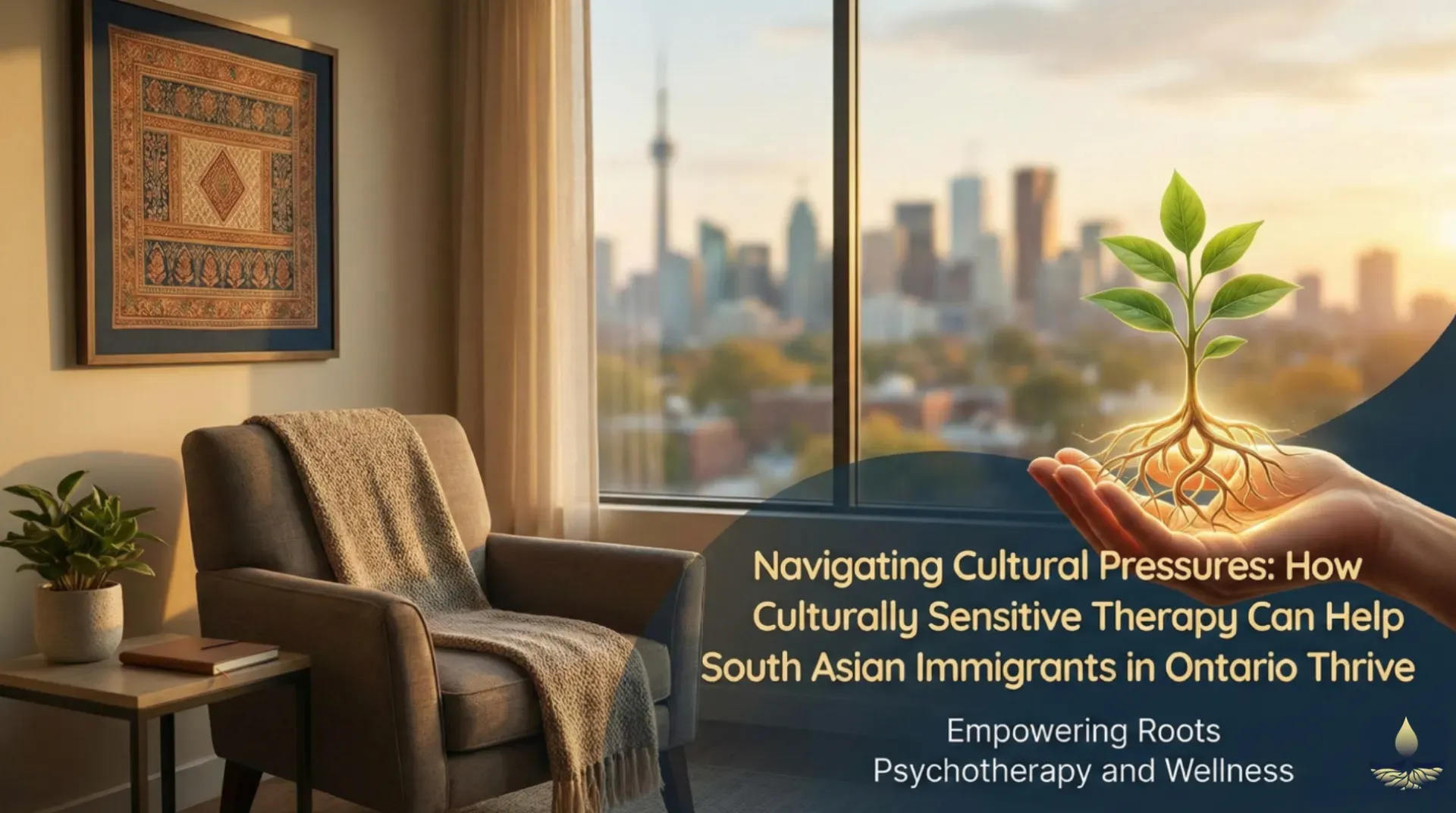
The Inv isible Anchor: N avigating Identity, Family Expectations, and Burnout as a South Asian Immigrant in the GTA In the vibrant mosaic of Ontario’s diverse communities, many South Asian immigrants and BIPOC individuals find themselves at a crossroads honoring the rich heritage of their roots while carving out space for their own authentic voices. If you’re a South Asian immigrant in Toronto, Mississauga, Brampton, or Etobicoke, the weight of family expectations, identity conflicts, and cultural pressures can feel like an invisible anchor , pulling you away from the life you envision. As the founder of Empowering Roots Psychotherapy and Wellness in Etobicoke, I’ve seen firsthand how these tensions manifest as anxiety, burnout, or people-pleasing tendencies that leave you exhausted and disconnected. The Crossroads of Heritage and Self: Why the Tension is Real Picture this: You’re scrolling through your phone late at night, heart racing from another day of juggling work demands, parental hopes for your “perfect” path, and that quiet inner voice whispering for change. It’s a story I hear often in my virtual therapy sessions across Ontario—from young professionals in Hamilton feeling guilty for prioritizing self-care over arranged expectations, to second-generation immigrants in Ottawa grappling with the fear of disappointing loved ones by choosing a career that lights them up. These aren’t just personal struggles; they’re deeply rooted in the cultural narratives that shaped us, and they deserve compassionate, understanding support. Beyond Generic Therapy: Healing Without the Exhaustion of Translation At Empowering Roots Psychotherapy & Wellness, we specialize in culturally sensitive therapy tailored for South Asian, immigrant, and BIPOC communities. Unlike generic approaches that might skim the surface, our work dives into the nuances of your experience—no need to explain the “why” behind your family’s emphasis on collectivism or the intergenerational trauma carried from migrations and displacements. As a South Asian therapist myself, I bring that lived insight to every session, creating a non-judgmental space where you can unpack perfectionism, explore identity conflicts, and heal without the exhaustion of translation . We blend evidence-based tools like parts work and inner child healing coupled with somatic techniques with culturally attuned narratives. From People-Pleasing to Thriving: A Client's Journey One client, a 32-year-old woman from Brampton, shared how her sessions transformed her relationship with people-pleasing. “ Growing up, saying ‘no’ felt like betraya l , ” she reflected. Through our collaborative healing process, we uncovered the root of her burnout and built boundaries that honored her heritage while reclaiming her energy. Today, she’s thriving, launching a side hustle that blends her cultural artistry with modern entrepreneurship. Empower Your Roots Stories like hers remind me why I founded Empowering Roots: to empower you to balance tradition and personal well-being , fostering resilience that radiates into your relationships, career, and self-worth. If you are ready to shed the invisible anchor and begin your journey toward authentic self-expression and healing, we are here to support you. Take the Next Step: Book a Free 20-Minute Consultation to discuss your needs and see if Empowering Roots is the right fit for your healing journey. Empowering Roots Psychotherapy & Wellness Etobicoke, Ontario (Virtual Sessions Across Ontario)

Why Somatic Therapy Might Be the Missing Piece in Healing Anxiety for South Asian & Immigrant Adults
“Struggling with anxiety in the shadow of culture and expectation? Explore somatic therapy for South Asian & immigrant adults—reconnect body, mind, and heritage.”
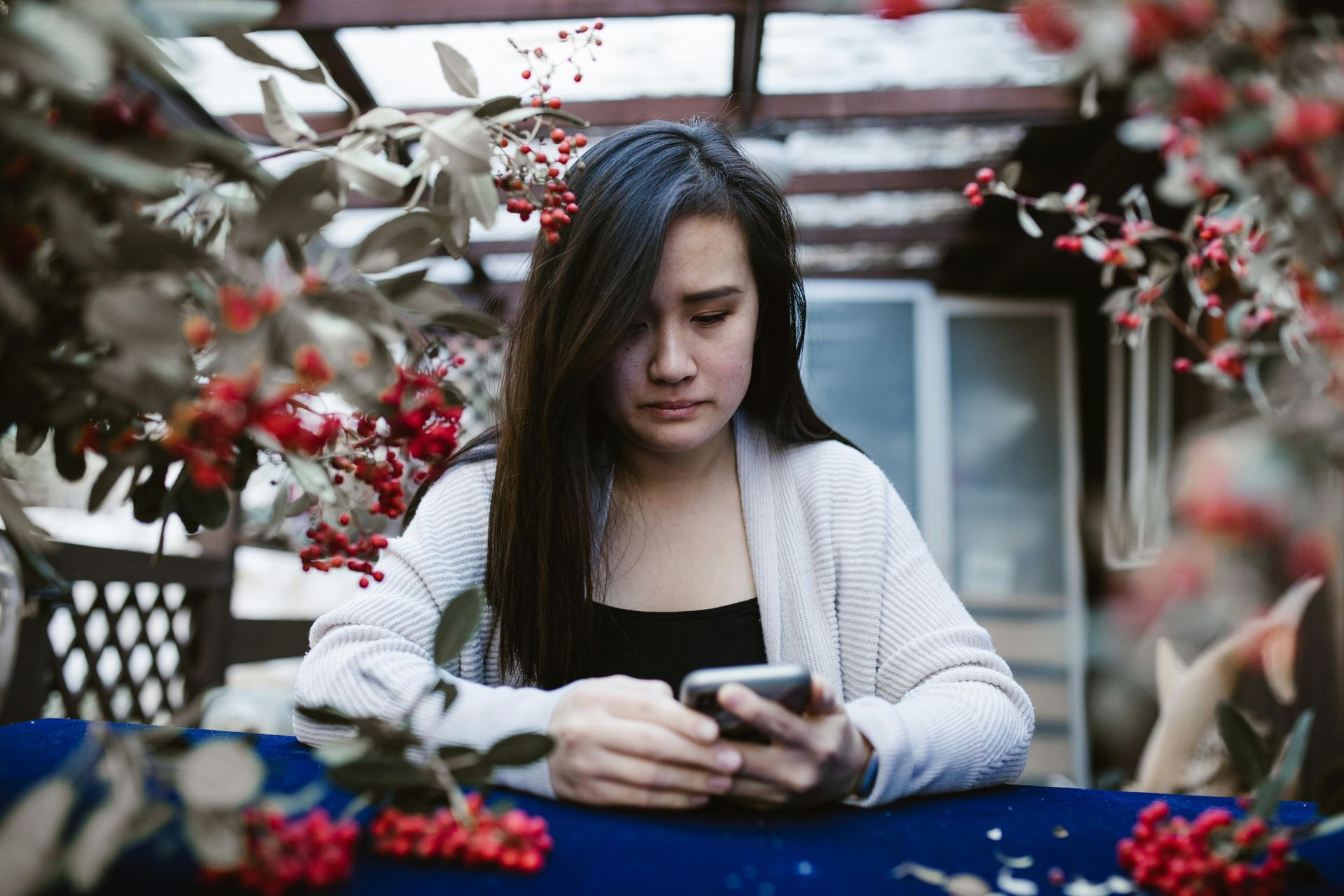
Many South Asian women feel they are never ‘enough’—not as daughters, partners, mothers, or professionals. Learn why this happens and how culturally sensitive therapy can help.
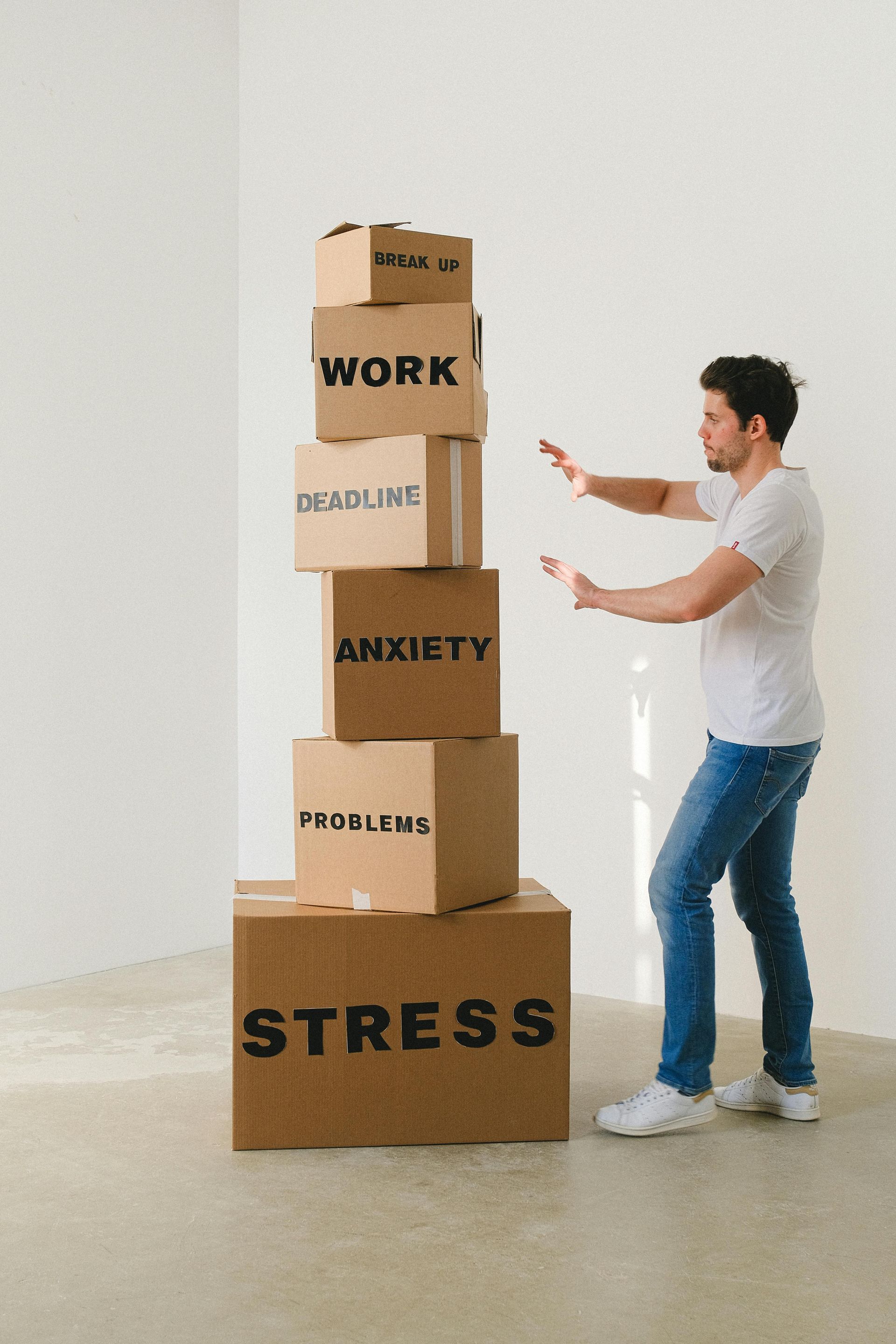
What does anxiety feel like? Discover body and mind symptoms of anxiety and how therapy helps South Asian, immigrant & BIPOC clients in Ontario.

Feel “too much” or guilty for needing support? Learn how emotional neglect shows up in South Asian/BIPOC families—and how therapy helps. Etobicoke + Brampton.
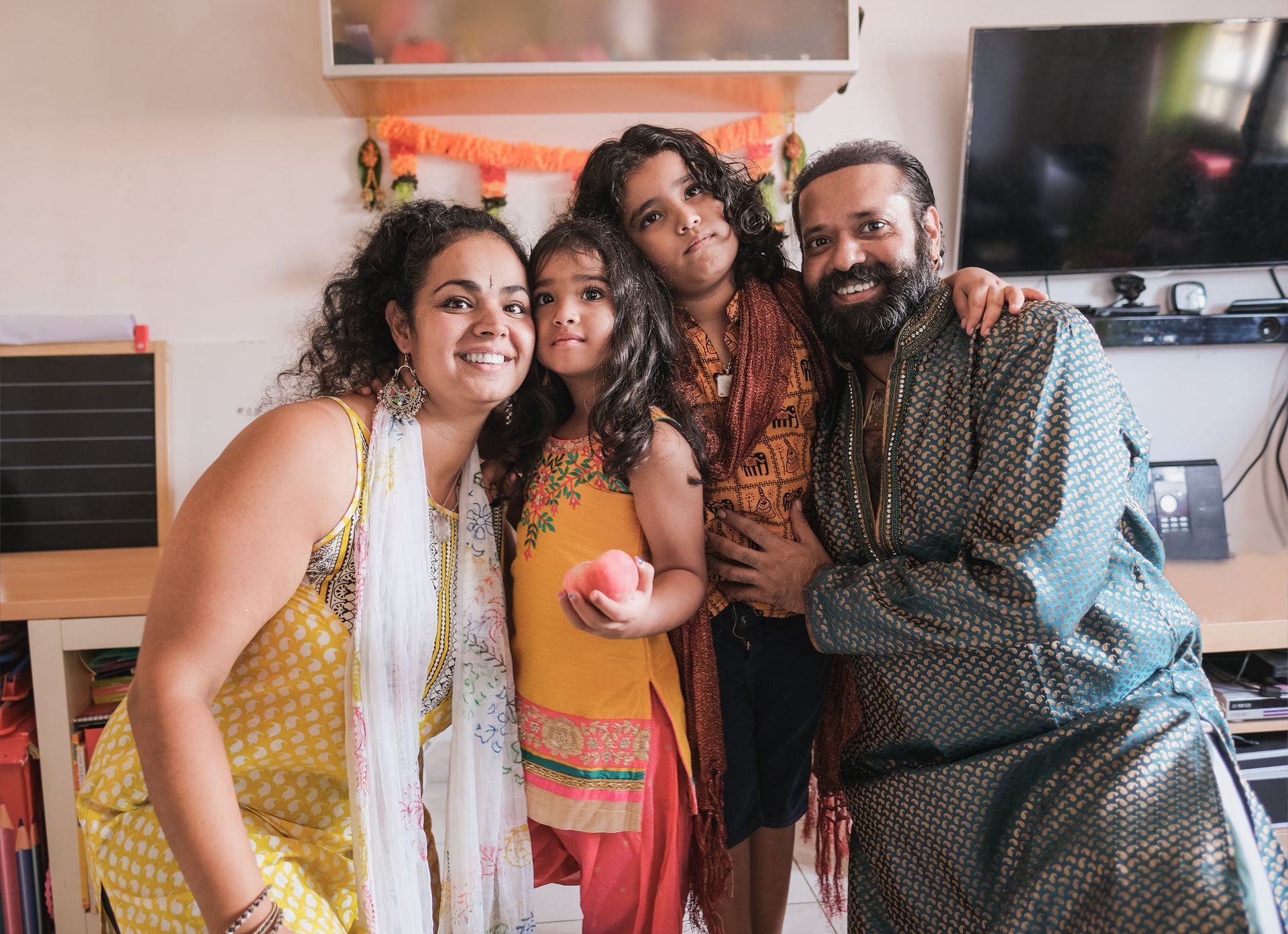
Are you always the strong one? A South Asian therapist explains why it's exhausting — and how to stop

A South Asian therapist in Etobicoke explains boundaries in desi families — and how to set them without guilt.